GPS Location Tracker Products Catalog Overview

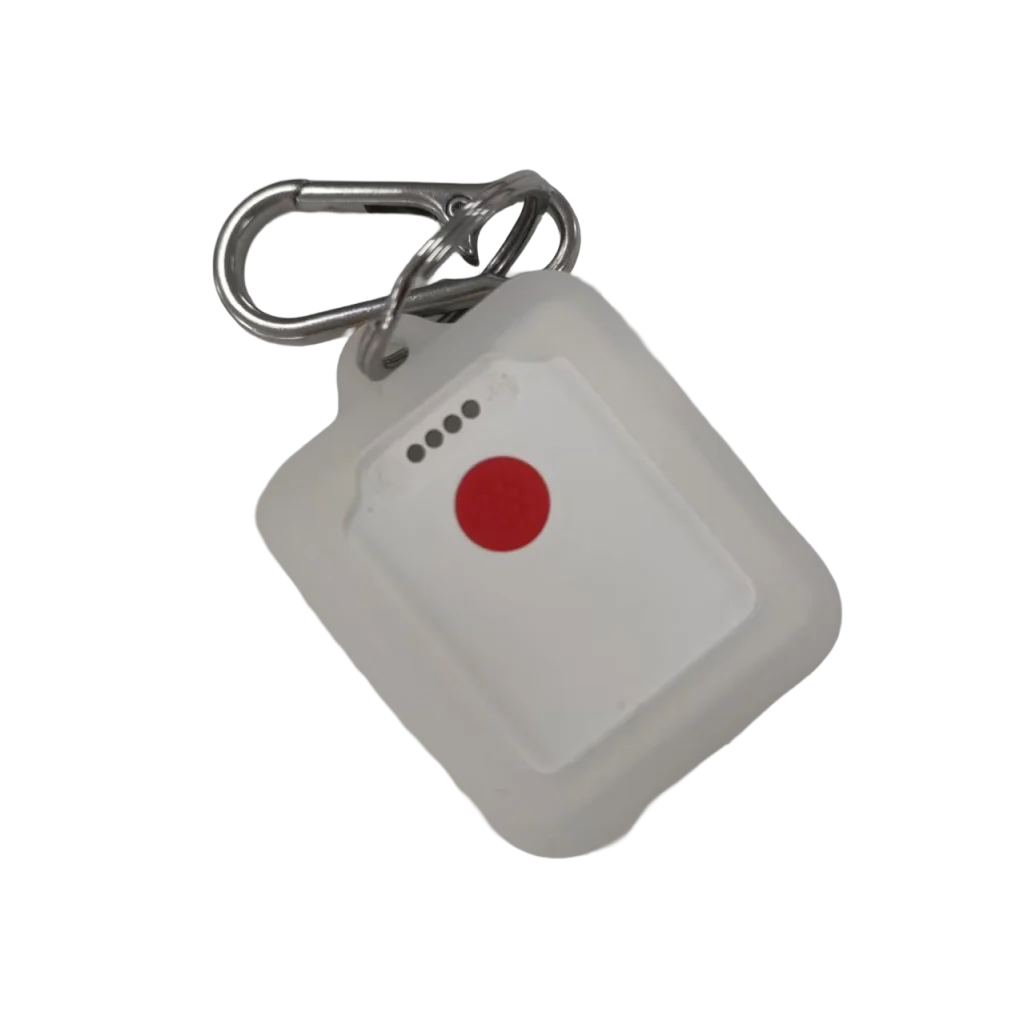
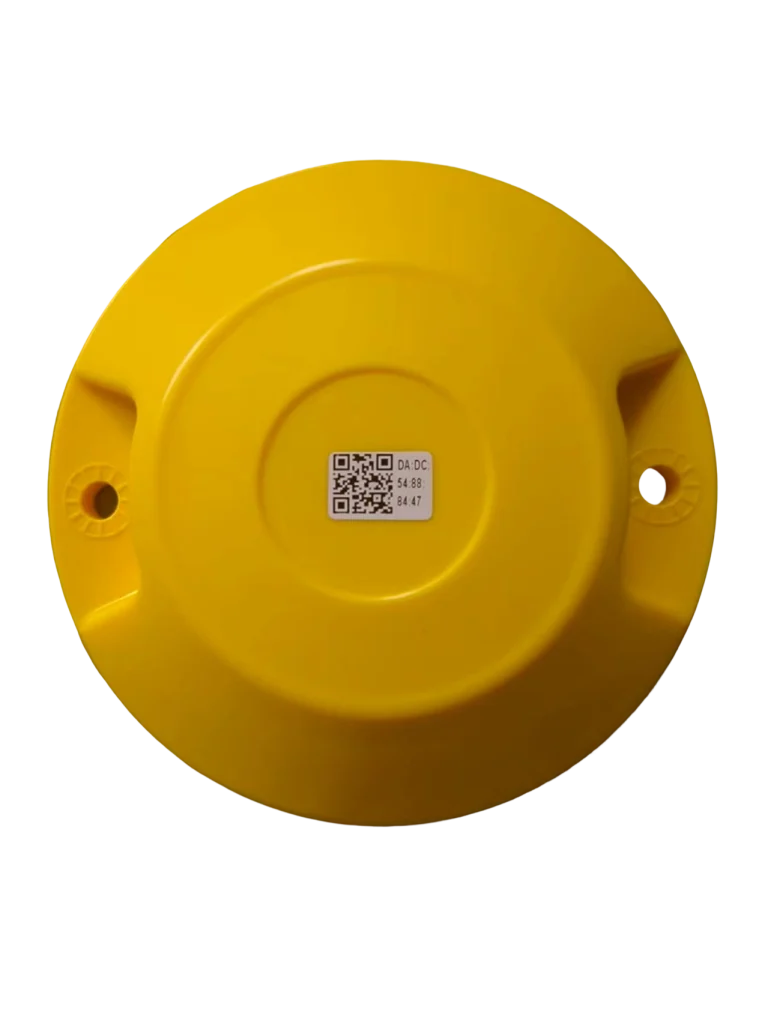
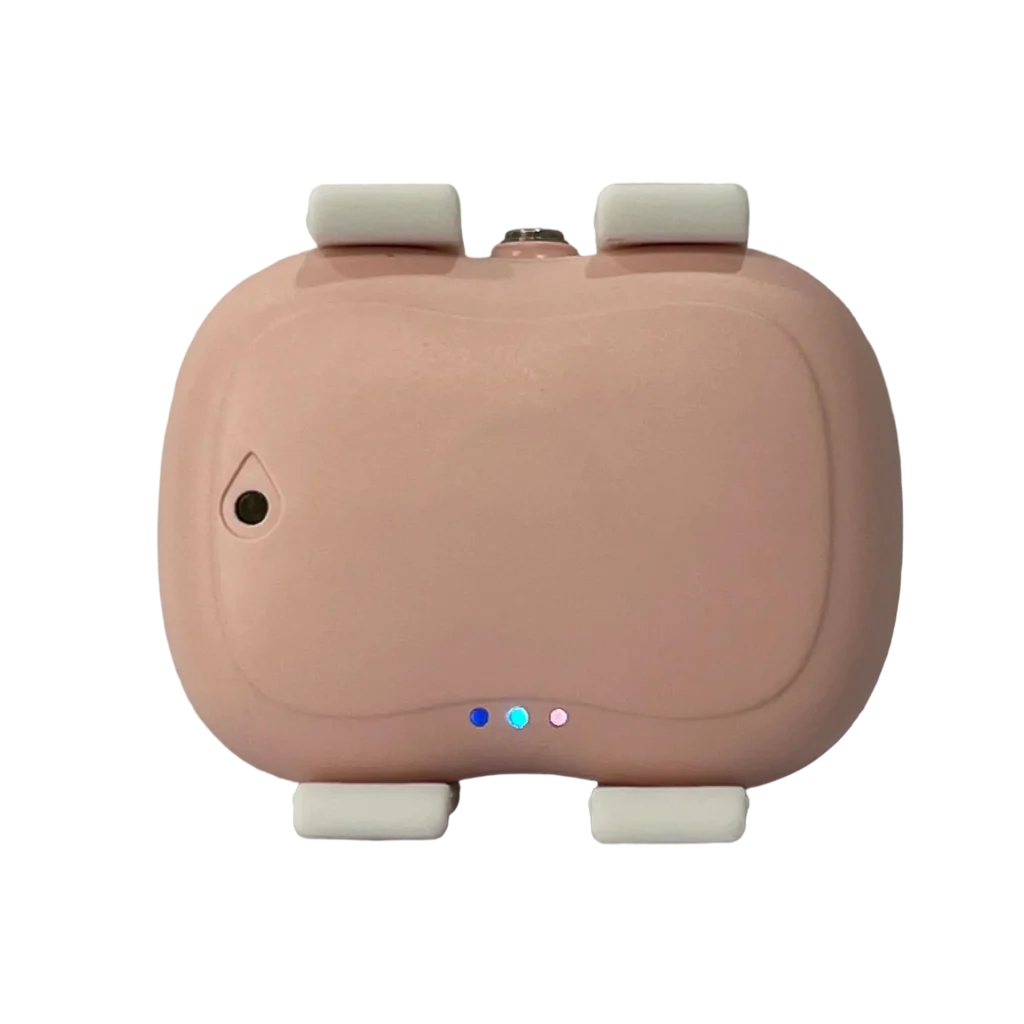
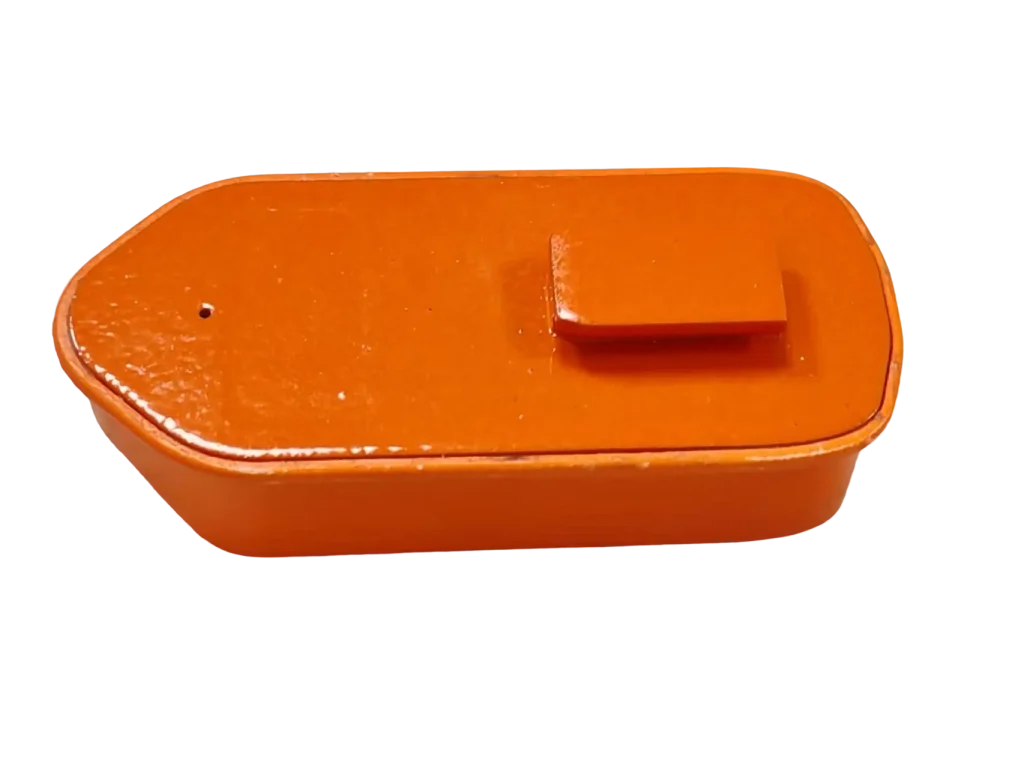
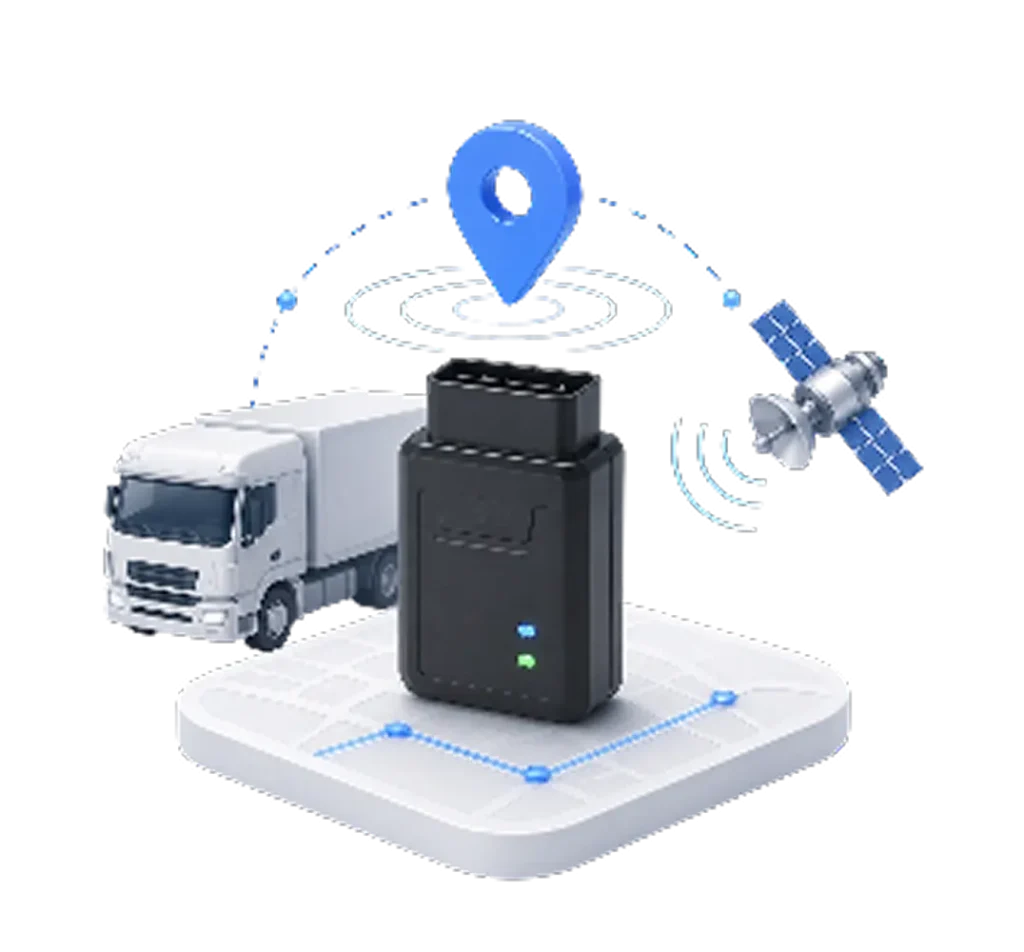
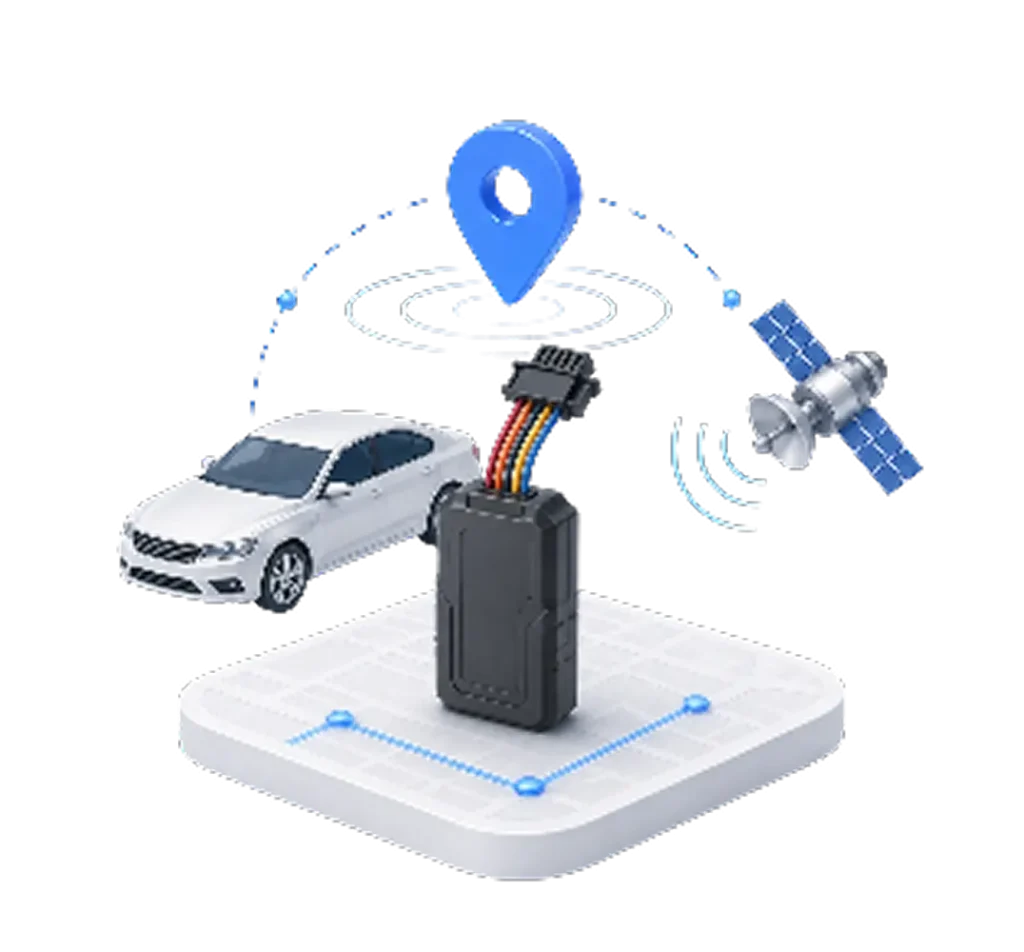
Browse our complete range of GPS location trackers — from hardwired vehicle devices and portable asset trackers to pet, livestock, and personal safety solutions.

Integrated GPS Tracking Solution Architecture

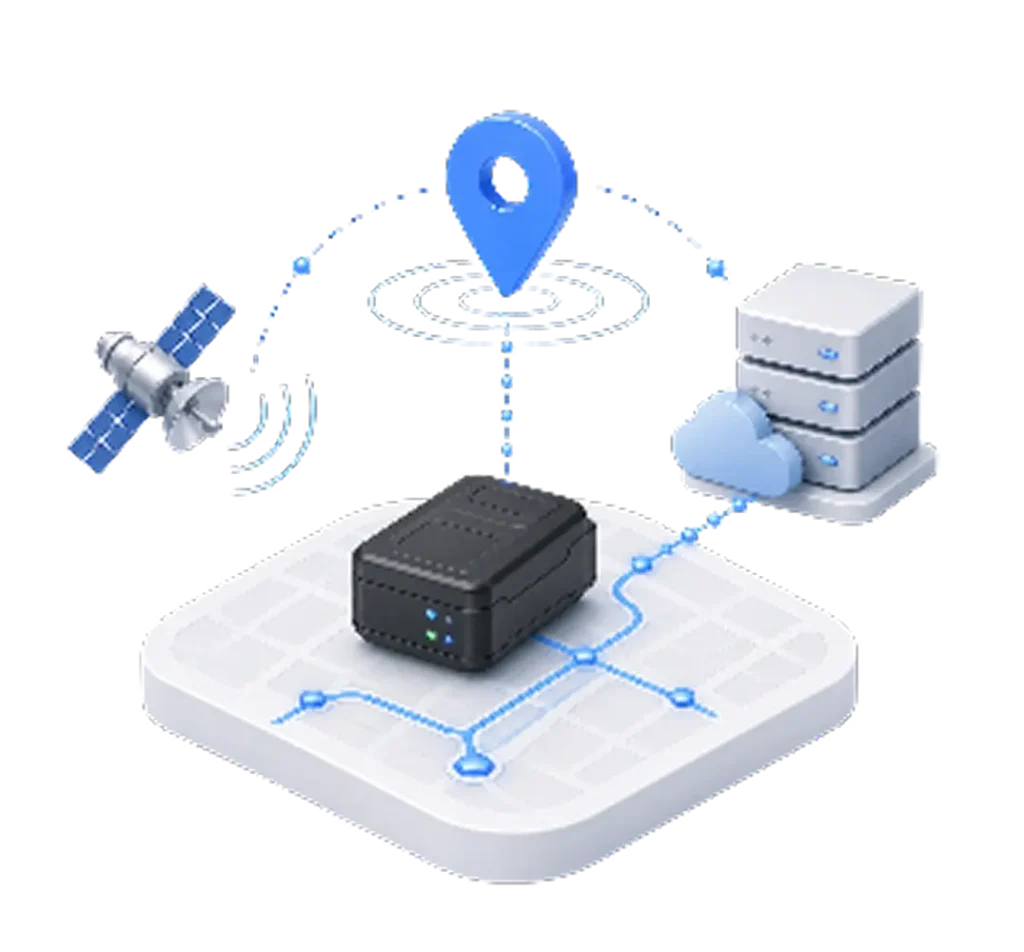
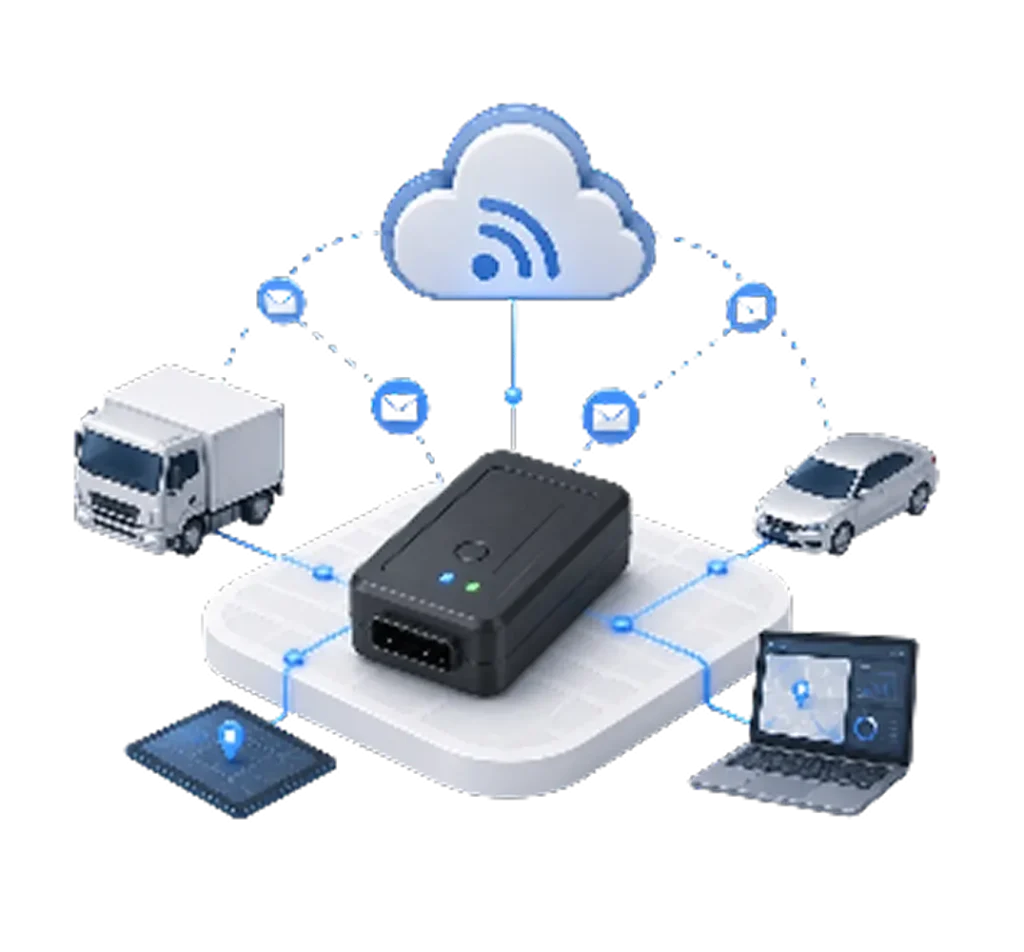
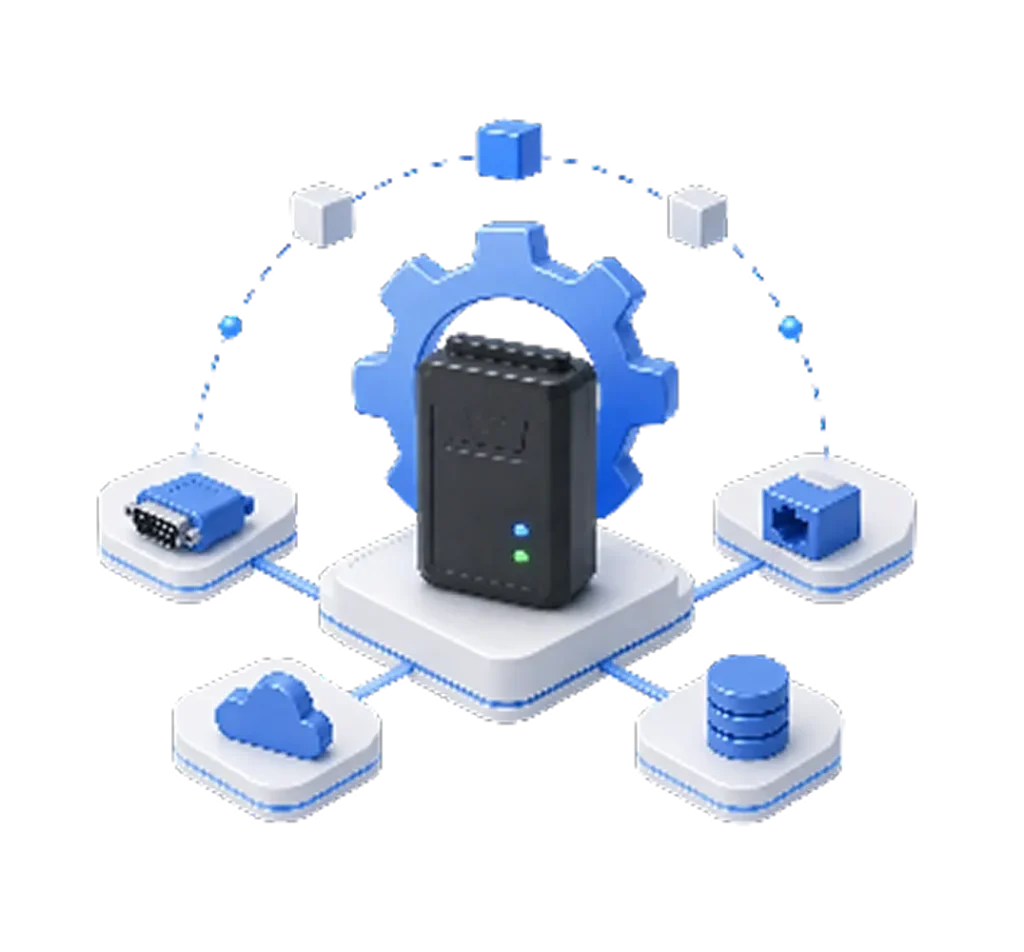
An integrated GPS tracking solution connects positioning hardware, wireless communication, cloud platforms, and data processing into a complete system. Each layer handles a specific part of the tracking workflow, from collecting location data to delivering usable information for monitoring and management.

GPS Tracking Terminal Layer

The GPS tracking terminal is responsible for collecting location and device information from the physical tracking target. A typical terminal integrates a GNSS module, cellular communication module, processor, antenna, power management system, and optional sensors. Depending on the application, the terminal may also collect ignition status, battery level, temperature, humidity, fuel level, door status, or other sensor data.

The terminal determines the positioning frequency and initial data quality of the system. Vehicle trackers may prioritize continuous positioning and vehicle power integration, while battery-powered trackers for people, pets, livestock, or assets require a balance between positioning frequency, device size, and battery consumption.


Wireless Communication Layer

The wireless communication layer transfers positioning and device data from the terminal to the cloud platform. Cellular technologies such as 4G LTE, LTE-M, and NB-IoT can be selected according to regional network coverage, bandwidth requirements, power consumption, and deployment environment.

Communication performance affects how quickly location data reaches the platform and how reliably commands are delivered back to the device. SIM compatibility, network coverage, antenna performance, reporting frequency, and communication protocol should therefore be considered together when designing the tracking solution.

Cloud Platform Management Layer

The cloud platform receives and manages data transmitted by GPS terminals and provides the interface used to monitor devices and tracking targets. Typical platform functions include real-time location, historical routes, device status, geofencing, alarms, user permissions, and device configuration.

The platform also manages communication between users and tracking terminals. Depending on the application, authorized users may remotely configure reporting intervals, request device information, manage geofences, or send supported commands. Platform compatibility with the device communication protocol is essential for reliable data exchange.

Data Processing and Analytics Layer

The data processing layer converts raw positioning and sensor data into information that can support operational decisions. Processing may include coordinate validation, timestamp processing, abnormal-data filtering, route reconstruction, geofence evaluation, and aggregation of historical tracking records.

For fleet, asset, personnel, livestock, and other tracking applications, processed data can be used to analyze routes, movement patterns, operating hours, location events, and abnormal activity. Integrating positioning data with other device information can provide more useful insights than location coordinates alone.

GPS Tracker Development Process from Design to Deployment

RJM follows a structured GPS tracker development process covering product design, hardware and firmware development, testing, system integration, and final deployment for reliable field performance.

1

STEP 1

Requirement Confirmation

Project requirements, application scenarios, technical specifications, and delivery expectations are reviewed first to define a clear development scope and avoid gaps before design begins.

2

STEP 2

Design

Hardware structure, electronic components, firmware functions, communication methods, and enclosure details are planned around the confirmed requirements and intended application.

3

STEP 3

Prototype

Engineering builds functional prototypes to verify the initial design, component selection, device structure, and core functions before moving into formal production.

4

STEP 4

Testing

Prototypes undergo functional, communication, positioning, power, and reliability testing to identify potential issues and confirm performance against project requirements.

5

STEP 4

Manufacturing

After validation, approved designs move into controlled production with defined assembly processes, quality checks, and inspection procedures to maintain product consistency.

6

STEP 4

Deployment

Finished GPS trackers are configured, prepared, and integrated with the required platform or system before delivery, supporting smooth installation and practical use.

GPS Tracker Development Process from Design to Deployment-6

7

STEP 4

Support

After deployment, RJM provides technical assistance, troubleshooting, maintenance guidance, and service support to help keep tracking devices operating reliably.

GPS Tracker Development Process from Design to Deployment-7

Contact RJM Team

Have questions about GPS tracking solutions or need guidance choosing the right product? Our team will respond with expert recommendations within 24 hours.

Download RJM

Have questions about GPS tracking solutions or need guidance choosing the right product? Our team will respond with expert recommendations within 24 hours.

Download RJM

Have questions about GPS tracking solutions or need guidance choosing the right product? Our team will respond with expert recommendations within 24 hours.