



Reliable Livestock GPS Tracker for Real-Time Animal Tracking
Purpose-built GPS collars and ear-tag trackers engineered for harsh outdoor environments — delivering real-time herd location, movement alerts, and grazing analytics for modern livestock operations.
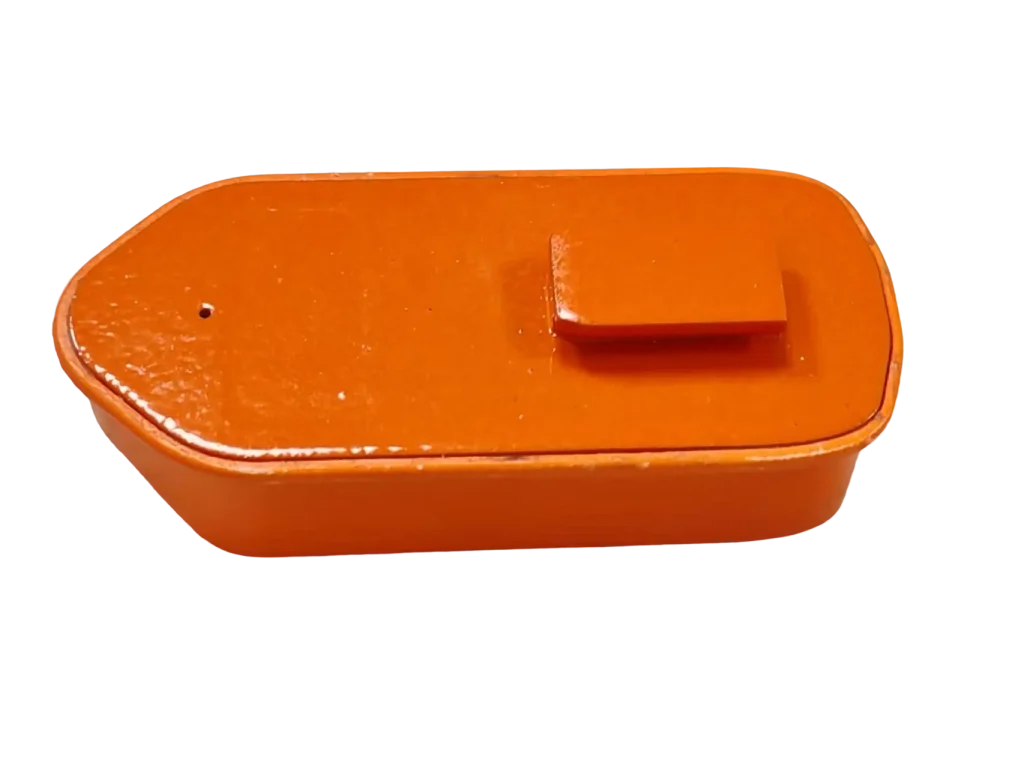


Bird GPS Tracking Device Product Overview
Bird GPS tracking devices support flight monitoring for eagles, racing pigeons, and other birds. The range includes 4G GPS and Bluetooth trackers for long-range or nearby tracking. Key selection factors include device weight, size, battery life, tracking frequency, communication range, and attachment method.
Product Positioning
Bird GPS tracking devices are designed to monitor the location, movement, and flight activity of birds during training, racing, hunting, and outdoor activities. Unlike conventional GPS trackers used for vehicles or livestock, bird trackers must meet stricter requirements for low weight, compact size, power efficiency, and secure attachment, since excessive device weight or poor mounting can affect flight performance. The product range includes 4G cellular GPS trackers for long-range remote monitoring and Bluetooth trackers for shorter-range identification and anti-loss applications.
For birds that regularly fly over large or unfamiliar areas, 4G GPS tracking provides greater monitoring coverage because positioning data can be transmitted through cellular networks without requiring the owner to remain nearby. Solar-powered designs can further extend operating time for birds such as eagles that spend long periods outdoors. For racing pigeons and other lightweight birds, tracker weight, dimensions, positioning frequency, and battery capacity need to be balanced carefully to provide useful flight data without unnecessarily increasing the load carried by the bird.
Target Applications
Bird GPS trackers are primarily used for eagles, racing pigeons, and other birds requiring flight or location monitoring. The 4G Solar GPS Tracker for Eagles is designed for extended outdoor operation where long operating time and remote location monitoring are important. 4G Racing Pigeon GPS Trackers are more focused on recording and transmitting flight information during training, release, and racing activities, allowing users to review the bird's movement beyond direct visual range.
Bluetooth Pigeon GPS Trackers are designed for shorter-range applications where cellular communication is unnecessary or impractical. They can assist with nearby identification and anti-loss monitoring when the bird is within Bluetooth detection range. When selecting a bird tracker, users should consider bird species and body size, expected flight distance, tracking range, required update frequency, operating time, communication coverage, and mounting method. These factors determine whether a cellular GPS, solar-powered GPS, or Bluetooth solution is more appropriate.
Key Problems Solved
Bird GPS tracking addresses the difficulty of monitoring birds once they move beyond direct visual range. During training or racing, GPS data can provide information such as current or last reported position, flight route, movement direction, distance traveled, and activity area, depending on the device and tracking platform. This allows trainers and owners to review flight behavior instead of relying solely on observation or manually estimated distances.
For racing pigeons, historical flight data can help compare different training sessions, identify changes in routes, and evaluate flight performance. For eagles and other valuable birds, remote location monitoring can provide a way to determine where the bird was last reported and support recovery when it moves outside an expected area. Bluetooth trackers serve a different purpose by helping users locate birds at shorter distances. Understanding this difference is important when choosing a tracker: GPS is suited to wide-area and remote monitoring, while Bluetooth is better for nearby detection and anti-loss use cases.
Flight Tracking Value for Bird Management
Flight tracking turns bird movement into usable location and activity data. By monitoring flight routes, distances, and movement areas, owners and trainers can better understand bird behavior, evaluate training results, and respond more quickly when valuable birds move outside expected areas.
01
Supporting Bird Training & Performance Analysis
GPS flight data can provide information such as flight distance, movement routes, and activity areas, giving trainers a clearer basis for evaluating training performance. For racing pigeons, historical tracking data can help compare flight patterns and training results across different sessions.
02
Improving Flight Route Monitoring
GPS tracking allows users to monitor a bird’s movement beyond direct visual range and review its reported flight route. This can help identify changes in flight direction, unexpected movement, and areas where birds frequently travel, providing useful data for training and flight management.
03
Protecting Valuable Birds
For valuable racing pigeons, eagles, and other birds, location tracking provides an additional layer of protection when they are flying outdoors. Remote GPS tracking can help users determine the bird’s last reported location and movement history, while Bluetooth tracking can assist with nearby location detection when cellular GPS tracking is not required.