



Indoor Positioning System for Precise Tracking
RJM’s indoor positioning system combines positioning terminals, wireless communication, and platform management to track people, assets, and equipment accurately within indoor environments.
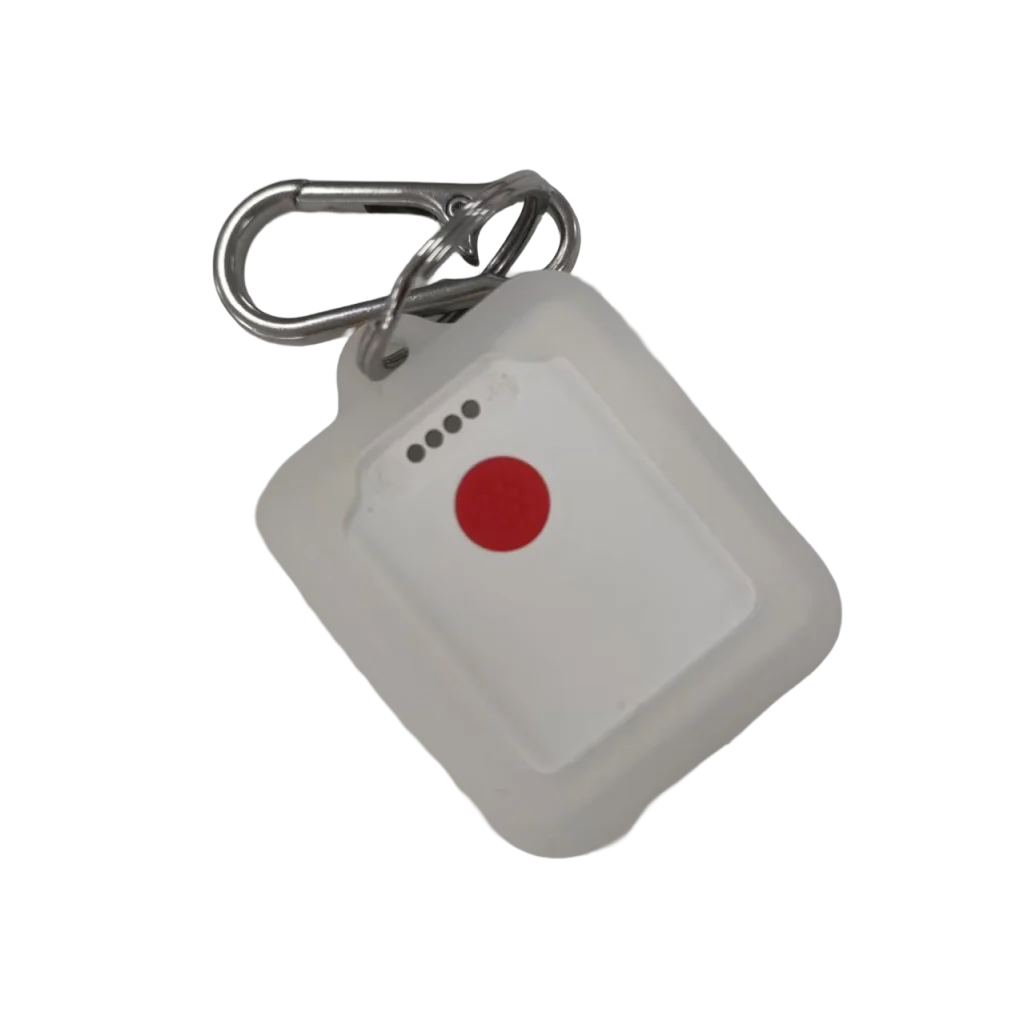
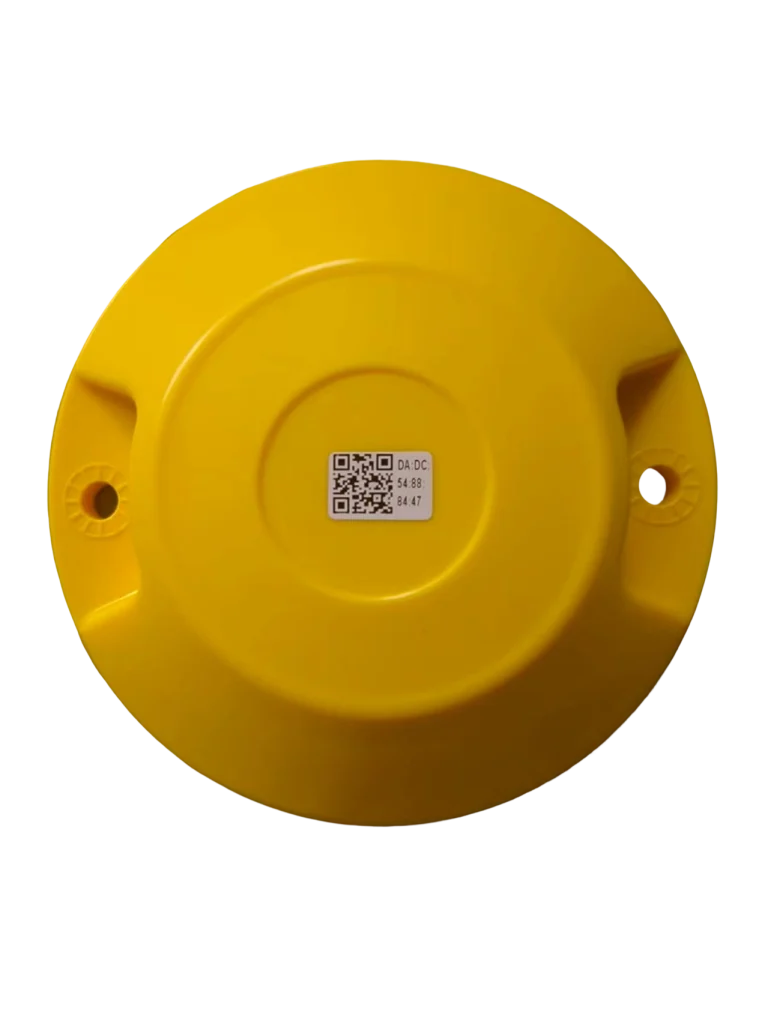
Requirements for Precise Indoor GPS Tracking
Precise indoor GPS tracking requires more than a positioning device alone. Walls, ceilings, metal structures, equipment, and signal interference can weaken or block traditional GNSS signals. Depending on the environment and accuracy requirements, technologies such as BLE, UWB, Wi-Fi, RFID, inertial sensors, and hybrid positioning can be used to provide more reliable indoor location data.
Digital Map and Spatial Modeling
Accurate coordinates alone are not enough to understand an indoor environment. Digital maps provide spatial context by representing buildings, floors, rooms, corridors, entrances, restricted areas, and other operational zones. Unlike outdoor maps, indoor systems often need multi-floor structures and dedicated coordinate systems to associate a device with a specific floor, room, or area.
A structured spatial model also enables practical functions such as indoor navigation, asset tracking, geofencing, and zone-based alerts. For example, the system can identify whether an asset has entered a warehouse zone or whether personnel have moved into a restricted area. Combining positioning data with floor plans, routes, points of interest, and spatial boundaries makes location information easier to interpret and use.
Stable Wireless Communication
GPS determines the device's location, but wireless communication is responsible for transmitting that location data to the tracking platform. Cellular networks such as 4G LTE, LTE-M, or NB-IoT can be used depending on the device design, deployment region, coverage requirements, and data volume. A tracker with accurate positioning but unstable network communication cannot provide continuous and reliable remote monitoring.
For vehicle fleets, stable cellular connectivity supports frequent location updates, route monitoring, and operational data transmission. For personnel, pet, and pigeon trackers, communication efficiency becomes more important because devices are usually smaller and have limited battery capacity. SIM compatibility, network coverage, antenna performance, transmission frequency, and communication protocol should therefore be considered together when selecting an outdoor tracking solution.
Reliable Power Supply
Power management directly affects how long an outdoor GPS tracker can operate and how frequently it can report location data. Vehicle trackers can usually connect directly to the vehicle's power system, allowing continuous operation and frequent positioning. Battery-powered devices, such as personnel, pet, and pigeon trackers, require a balance between battery capacity, device size, positioning frequency, wireless transmission, and standby time.
Efficient power management can reduce unnecessary positioning and communication activity when continuous tracking is not required. Features such as sleep modes, scheduled positioning, motion detection, and adaptive reporting intervals can help extend battery life. For long-term outdoor deployments, battery performance should therefore be evaluated together with the required tracking frequency and actual usage environment.
Common Applications of Indoor Tracking Systems
Indoor tracking systems provide reliable location information in complex indoor environments where traditional GPS may be limited. They can support precise positioning, digital twin visualization, and asset tracking across facilities such as factories, warehouses, hospitals, and commercial buildings.
Indoor Precise Positioning
Indoor precise positioning helps determine the real-time location of people, devices, and assets within specific rooms, floors, or operational areas. It supports applications such as indoor navigation, personnel monitoring, safety management, and location-based alerts.

Digital Twin Integration
Indoor tracking data can be integrated with digital twin models to connect physical spaces with real-time location information. This enables users to visualize assets, equipment, and personnel within 2D or 3D facility models for more efficient monitoring and management.

Asset Identification & Tracking
Indoor tracking systems help identify and monitor assets throughout warehouses, factories, and other facilities. By combining positioning data with asset identification, users can track movement, locate equipment quickly, monitor designated areas, and improve asset utilization and management efficiency.
