



Custom GT06 GPS Tracker for Protocol Integration Solutions
Custom GT06 GPS trackers for integration with existing vehicle and asset tracking platforms. Support GT06 packet adaptation, GPS/LBS data reporting, device-server communication, command customization, and 4G protocol integration based on your platform requirements.
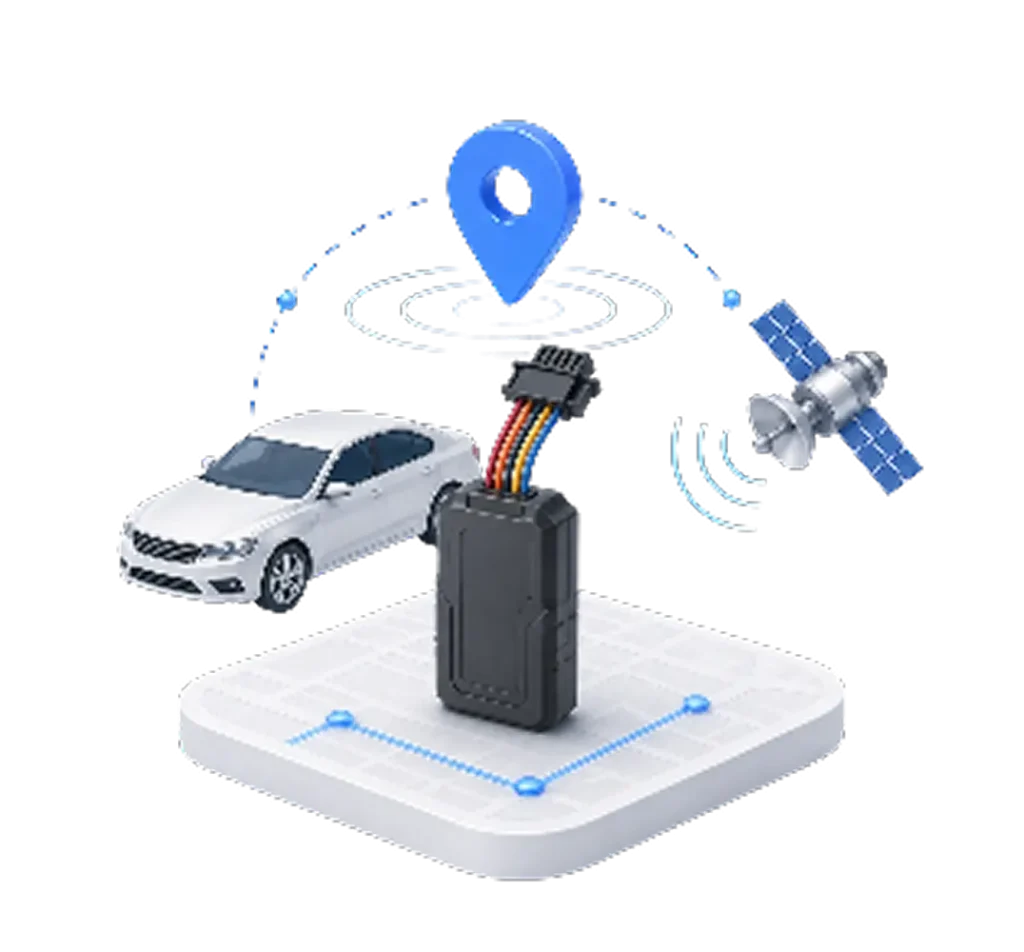
GT06 Protocol Technical Specifications
The GT06 protocol defines how GPS terminals exchange login, location, status, alarm, and command data with a tracking server. Its packet structure includes start bits, packet length, protocol number, information content, serial number, CRC-ITU error checking, and stop bits, providing a defined communication framework for device-platform integration.
Protocol Type
GPS Tracker Communication Protocol
Start Bits
0x78 0x78
Packet Structure
10 + N Bytes
Packet Length Field
1 Byte
Protocol Number Field
1 Byte
Serial Number
2 Bytes
Error Checking
CRC-ITU
Stop Bits
0x0D 0x0A
Login Packet
Protocol ID 0x01
Standard Location Packet
Protocol ID 0x12
V3 / V4 Location Packet
0x22 / 0x32
4G Location Packet
Protocol ID 0xA0
GT06 Protocol Integration Capability
GT06 integration requires the terminal and tracking server to use matching packet structures, protocol IDs, terminal identification, location fields, serial numbers, CRC verification, and response logic. Custom adaptation can therefore focus on the specific packet types and data fields required by the customer’s existing tracking platform rather than rebuilding the entire server architecture.
01
GT06 Data Packet Customization
GT06 packets can be adapted around the data required by the target platform, including GPS coordinates, time, speed, direction, satellite information, LBS data, ACC status, mileage, external voltage, and supported alarm information. The exact fields depend on the selected GT06 protocol version and terminal hardware.
GT06 Packet Field Mapping
Custom GT06 Payload Layout
02
Device-Server Communication Adaptation
After establishing a GPRS connection, the terminal sends a login packet and waits for the server response. Once communication is confirmed, the device can begin reporting GPS/LBS information and periodically exchange status information to maintain the connection. Abnormal connections can trigger reconnection and data retransmission logic.
Server Linkage
Device Link Fit
03
GT06 Command Function Customization
The protocol defines 0x80 for commands sent from the server to the terminal, allowing supported terminal functions to be configured or queried remotely. Command functions can be adapted according to the device firmware and platform requirements, including supported parameter settings and device control logic.
GT06 Command Flow Tailoring
Custom GT06 Instruction Logic
Flexible GPS Terminal Compatibility
GT06 protocol adaptation can be applied to different GPS terminal configurations when the hardware, firmware, cellular network, and required reporting fields are compatible. Selecting the correct implementation requires checking the terminal type, network generation, power source, vehicle interfaces, reporting requirements, and server protocol version before development.
Vehicle GPS Tracker
GT06 is well suited to vehicle tracking terminals that need to transmit GPS/LBS positioning and vehicle-related status data to a fleet platform. Depending on the device and protocol version, the server can receive position, speed, direction, ACC, mileage, voltage, and alarm information for vehicle monitoring.
- GPS and LBS location reporting
- Speed and direction monitoring
- ACC and mileage data support
- Vehicle alarm reporting support
Asset GPS Tracker
Compatible battery-powered or wireless asset trackers can use adapted GT06 communication to report location and supported device-status data to an existing platform. Reporting logic should be configured according to battery capacity, required update frequency, network conditions, and the asset monitoring scenario.
- GPS/LBS location reporting
- Flexible reporting configuration
- Remote asset location monitoring
- Adaptable device data fields
4G GPS Terminal
The document defines a dedicated 0xA0 location packet for 4G terminals and a V4 0x32 format adapted from V3. The 4G structure expands cellular base-station information and can include external voltage and other terminal data, allowing newer cellular GPS hardware to remain compatible with GT06-based tracking systems.
- Dedicated 4G packet support
- Protocol ID 0xA0 available
- Extended base station information
- External voltage data support
Vehicle Tracking Platform Compatibility
GT06 protocol adaptation allows compatible GPS terminals to connect with an existing vehicle tracking server instead of requiring customers to replace their current platform. Integration focuses on matching login logic, location packets, server responses, status reporting, alarms, and remote commands so that terminal data can be correctly parsed and managed by the existing system.

Existing Tracking Platform Integration
For an existing platform, integration begins by comparing the server’s current GT06 implementation with the terminal protocol version. Packet IDs, field lengths, GPS/LBS formats, IMEI identification, CRC handling, and server responses should be verified before devices are deployed.
Multi-Terminal Platform Support
A tracking platform can manage different compatible terminal types by identifying each device through its terminal ID and correctly parsing the protocol version used by that device. The document uses a 15-digit IMEI as the terminal identification in the login message.
Platform Interface Adaptation
Platform adaptation focuses on converting GT06 packet fields into usable tracking data such as coordinates, time, speed, direction, LBS information, device status, and alarms. Different GT06 versions should be mapped separately where their packet structures or field lengths differ.
Supported GT06 Customization Services
GT06 customization can be performed at the firmware, command, and hardware-data levels according to the customer’s tracking platform. Before development, the required protocol version, packet IDs, reporting fields, commands, hardware interfaces, and server response rules should be confirmed to avoid incompatibility during platform deployment.
01
Firmware Function Customization
Terminal firmware can be adapted to control login behavior, location reporting, connection maintenance, status reporting, alarm transmission, and supported data-upload modes. Firmware configuration should match both the GT06 protocol version and the actual operating requirements of the GPS terminal.
02
Command Protocol Development
Custom command development allows the server and terminal to exchange application-specific instructions through the supported GT06 command mechanism. The supplied document includes actual parameter setting/query examples and server-command interactions, showing that command behavior can be implemented around supported firmware functions.
03
Hardware Configuration Customization
Protocol fields can be matched to the functions available on the selected GPS hardware, including GNSS positioning, cellular information, ACC, external voltage, mileage, and supported alarm inputs. Only hardware-supported functions should be mapped into the customized packet structure.
GT06 Custom Development Workflow
GT06 customization starts by confirming the customer’s server protocol, terminal type, network, required packets, data fields, commands, and hardware functions. Development then moves from protocol mapping and firmware adaptation to actual terminal-server communication testing, ensuring that the approved configuration is validated before mass-production deployment.
01
Customer Requirements
Confirm the existing platform protocol, terminal type, network requirements, GPS/LBS fields, reporting frequency, alarm data, hardware interfaces, and required remote commands.
02
Protocol Configuration
Determine the required GT06 version, packet IDs, field definitions, terminal identification, server response rules, CRC handling, and location-reporting structure.
03
Software Development
Adapt terminal firmware and communication logic so that login, location reporting, status data, alarms, and required server commands follow the agreed protocol specification.
04
Device Testing
Verify terminal login, GPS/LBS packets, CRC calculation, serial numbers, server responses, status reporting, alarms, and supported command functions using actual device communication.
05
Platform Deployment
Connect the tested GPS terminal to the customer’s production or test server and verify that the platform can correctly parse, display, store, and respond to GT06 data.
06
Mass Production Delivery
After terminal-platform communication and required functions are approved, the validated firmware and hardware configuration can be applied to batch production devices.
Platform Testing Support Service
Platform testing verifies the complete communication chain rather than checking packet documentation alone. The terminal should be tested for login, server response, GPS/LBS reporting, status communication, CRC validation, alarm transmission, reconnection behavior, and supported remote commands before large-scale deployment.
01
Communication Testing
Testing verifies whether the GPS terminal can establish a connection, send its login packet, receive the required server response, report positioning data, and maintain communication through periodic status messages. The document specifies a five-second response window for determining whether the connection is operating normally.
02
Protocol Verification
Packet verification checks start and stop bits, packet length, protocol ID, information fields, serial numbers, and CRC-ITU error checking. Packets with CRC errors should be discarded, making correct CRC generation and parsing essential during integration testing.
03
Platform Debugging Support
Platform debugging compares actual terminal packets with server parsing and response results to identify mismatched fields, protocol versions, or command logic. Testing should also cover abnormal connections and reconnection behavior so the device can restore communication after temporary network or server failures.

GT06 Customization Project Cases
GT06 customization cases should show the actual integration requirement rather than simply displaying a GPS tracker model. Useful case information includes the original platform protocol, terminal type, required packet changes, custom data fields or commands, problems identified during debugging, and the final deployment result.
TABLE OF CONTENTS
Contact RJM Team
Have questions about GPS tracking solutions or need guidance choosing the right product? Our team will respond with expert recommendations within 24 hours.