



Advanced Bluetooth Tracker with Anti-Lost Protection
Coin-sized Bluetooth tags and smart labels that pair with your phone to keep everyday items within reach — featuring crowd-sourced network finding, separation alerts, and long-lasting replaceable batteries.


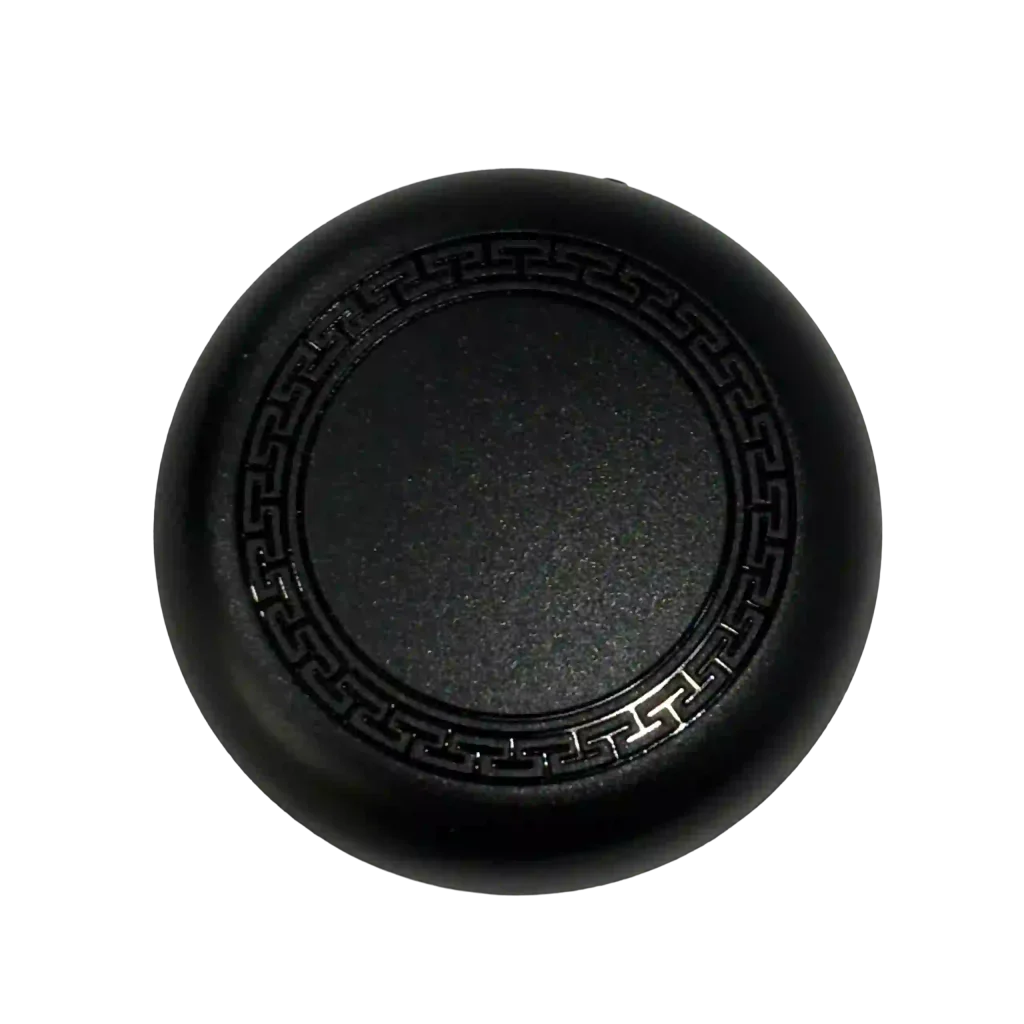

Bluetooth Anti-Lost Tracker Product Overview
Bluetooth anti-lost trackers provide short-range identification and proximity monitoring for items, vehicles, and assets, offering a practical alternative to cellular GPS tracking when wide-area positioning is not required.
Product Positioning
Bluetooth anti-lost trackers use Bluetooth wireless communication to detect the presence and proximity of tagged items through a compatible receiver, smartphone, or tracking system. Unlike cellular GPS trackers, they generally do not rely on GNSS positioning or a cellular network, making them suitable for applications where the tracking target remains within a defined or relatively local area.
The product range covers several deployment and power configurations. Smart Label Trackers are suitable for lightweight tagging and item identification, while rechargeable and battery-powered models provide flexible standalone installation. Wired versions can connect to different vehicle or equipment power systems, including 2.1–5V and 5–60V applications, while OBD models can be installed through a vehicle's diagnostic port. Selection should consider detection range, power source, installation method, device size, battery capacity, and the environment in which the tracker will be used.
Target Applications
Bluetooth trackers can be used for vehicles, equipment, tools, packages, personal belongings, and other assets that require nearby identification or anti-loss monitoring. OBD and wired models are particularly suitable for vehicles and powered equipment where the tracker can obtain power from an existing electrical system, while rechargeable models are more flexible for assets without a convenient external power source.
For lightweight or high-volume items, Smart Label Trackers can provide a compact way to associate an item with a Bluetooth identifier without adding significant size or weight. Battery-powered 1000mAh and 1500mAh models provide longer independent operating periods for assets that require more persistent monitoring. These different configurations allow Bluetooth tracking to be adapted to both individual items and larger asset-management deployments.
Key Problems Solved
Bluetooth anti-loss tracking addresses situations where users need to know whether an item or asset is nearby, identify its last detected location, or reduce the time required to locate misplaced equipment. Because Bluetooth tracking is designed for relatively short-range communication, it is most effective when assets remain within the coverage area of compatible receivers or detection devices.
The technology can also reduce the need for manual asset checks by allowing multiple tagged items to be identified through a tracking system. For vehicles and equipment, wired or OBD Bluetooth trackers can remain connected to the asset, while battery-powered or label-style trackers can be attached to movable items. When selecting a Bluetooth solution, users should distinguish between proximity detection and remote GPS tracking: Bluetooth is generally better suited to local anti-loss and asset identification, while cellular GPS is more appropriate when the target may travel beyond local communication coverage.
Bluetooth Anti-Lost Tracker Value for Safety Management
Bluetooth anti-loss tracking improves visibility of nearby items and assets, helping organizations reduce loss risks and manage distributed equipment more efficiently.
01
Reducing Item Loss Risks
Bluetooth trackers can help users identify whether tagged items are within a detectable range and assist in locating misplaced belongings, tools, equipment, and other assets. This is particularly useful in offices, warehouses, vehicles, and other environments where items frequently move between known areas.
02
Improving Asset Security Management
By assigning Bluetooth trackers to vehicles, equipment, or valuable assets, organizations can maintain a clearer record of tagged items and monitor their presence within designated areas. Wired, OBD, and battery-powered configurations allow the tracking method to be matched to different asset types and power conditions.
03
Increasing Item Management Efficiency
Bluetooth identification can reduce manual searching and physical inventory checks by allowing multiple tagged assets to be detected through a compatible tracking system. Smart label and compact tracker designs are especially useful for managing large numbers of smaller items, while higher-capacity models can support longer-term monitoring of larger assets.